

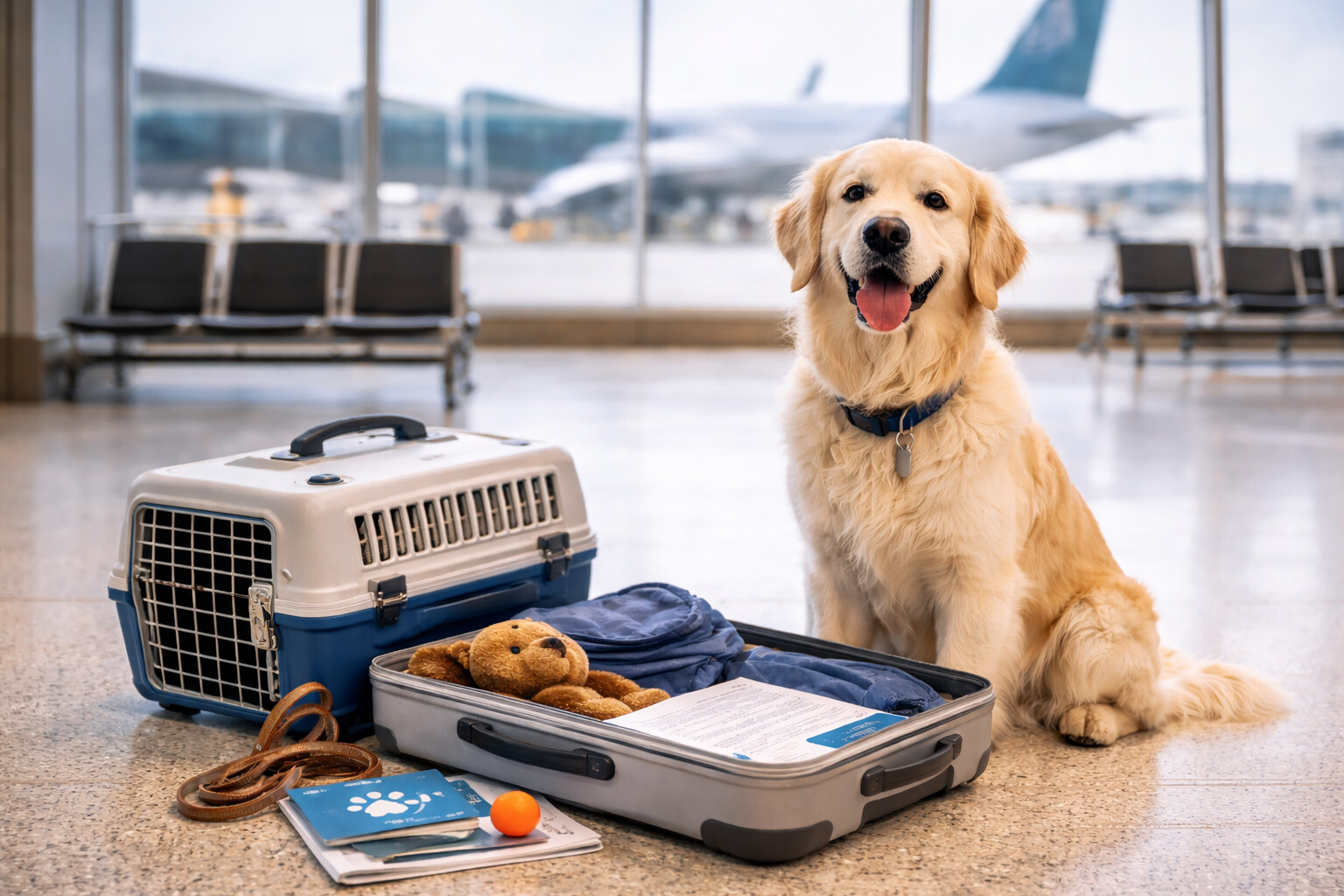
International Pet Relocation: Cost, Process & Choosing the Best Pet Transport Company
Relocating to another country is a major life decision—and when a beloved pet is part of that move, the process can feel overwhelming very quickly. From understanding airline rules and government regulations to worrying about your pet’s safety and comfort, international pet relocation is far more complex than booking a flight.
Pet parents searching online often ask the same questions:
- How do I transport my pet internationally?
- How much does it cost to move a pet overseas?
- Is it safe for pets to fly?
- Which is the best international pet transport company?
This comprehensive guide answers all of those questions and more. Whether you’re planning to move a dog or cat abroad from India, this article will walk you through the process, costs, safety considerations, and how to choose the right pet relocation partner—so you can plan with clarity and confidence.
What Is International Pet Relocation?
International pet relocation is the structured process of legally and safely transporting pets—most commonly dogs and cats—from one country to another in compliance with airline regulations, veterinary requirements, and destination-country import laws.
Unlike simple domestic pet travel, international relocation involves:
- Government approvals
- Veterinary documentation
- Airline coordination
- Customs clearance at destination
- Potential quarantine or waiting periods
Every country has its own pet import regulations, and even a small documentation error can result in flight denial, quarantine, or deportation of the pet. This is why professional pet relocation services are often recommended, especially for long-haul or highly regulated destinations such as the UK, EU countries, Australia, New Zealand, USA, and parts of Asia.
How Do You Transport a Pet Internationally? (Step-by-Step Process)
While requirements vary by destination, the international pet relocation process generally follows a structured sequence.
Step 1: Microchipping & Permanent Identification
Your pet must be microchipped with an ISO-compliant (15-digit) microchip. This microchip number is recorded on all documents and must be implanted before or on the same day as the rabies vaccination.
Step 2: Vaccinations & Health Records
Rabies vaccination is mandatory for international travel. Most countries require:
- Valid rabies vaccination (usually administered after microchipping)
- Core vaccinations appropriate for dogs or cats
- Complete vaccination history certified by a licensed veterinarian
Step 3: Blood Tests & Titer Requirements
Certain countries require a rabies antibody titer test to confirm immunity. This involves:
- Blood sample sent to an approved laboratory
- Waiting period (often 90 days) before travel
This step significantly impacts relocation timelines and must be planned early.
Step 4: Documentation & Government Approvals
Key documents typically include:
- International health certificate
- Export permit from the origin country
- Import permit from the destination country
- Airline-specific forms
For pets traveling from India, export documentation and compliance with airline and destination rules are critical.
Step 5: Airline Booking & Route Planning
Pets may travel:
- In cabin (small pets only)
- As manifest cargo (most medium to large pets)
Airline selection, flight routing, layovers, and seasonal temperature restrictions all play an important role in safety and comfort.
Step 6: Customs Clearance & Arrival Procedures
Upon arrival:
- Documents are verified by customs or veterinary officials
- Pets may be released immediately or moved to quarantine (depending on destination rules)
A smooth arrival depends entirely on accurate pre-travel preparation.
Not Sure Where to Start?
International pet relocation involves dozens of steps, strict timelines, and country-specific regulations. One missed document can delay your entire move. Get a free consultation with Anvis Pet Relocation and receive a personalized relocation plan tailored to your destination.
Cabin vs Cargo: Is It Safe for Pets to Fly?
One of the most common concerns pet parents have is whether flying—especially in cargo—is safe.
In-Cabin Travel
- Allowed only for very small pets
- Pet must fit comfortably in an airline-approved carrier under the seat
- Weight and size restrictions apply
- Limited airline availability on international routes
Cargo (Manifest Cargo Travel)
- Required for most medium and large pets
- Temperature- and pressure-controlled compartments
- Managed by trained airline professionals
- Regulated under international live animal transport standards
When planned correctly, cargo travel is safe and widely used worldwide. Most risks associated with pet flights arise from poor documentation, incorrect crate sizing, or untrained handling—not from cargo travel itself.
How Much Does It Cost to Move a Pet Overseas?
There is no one-size-fits-all price for international pet relocation. Costs vary depending on several factors.
Average International Pet Relocation Cost
While prices differ by destination and pet size, international pet relocation typically includes:
- Airline charges
- Veterinary tests and vaccinations
- Documentation and permits
- Crate and handling fees
- Customs clearance support
Short-haul relocations cost significantly less than long-haul moves, and countries with strict regulations require higher preparation costs.
Cost to Relocate a Dog Internationally
Relocating a dog generally costs more than relocating a cat due to:
- Larger crate sizes
- Higher airline cargo charges
- Breed-specific airline restrictions
Large dogs, snub-nosed breeds, and dogs requiring custom crates will have higher overall costs.
Factors That Affect International Pet Relocation Cost
- Destination country regulations
- Pet size, weight, and breed
- Airline type (cargo vs cabin)
- Crate size and customization
- Blood tests and waiting periods
- Quarantine requirements
- Professional handling vs DIY attempts
A professional consultation helps provide an accurate estimate and avoids unexpected expenses later.
How Long Does International Pet Relocation Take?
Timelines vary significantly:
- Countries without titer tests: 4–8 weeks (with proper planning)
- Countries requiring titer tests: 3–6 months
- Countries with quarantine: Additional time after arrival
Delays usually occur due to:
- Incorrect vaccination sequencing
- Missing documentation
- Late planning
Early preparation is the key to a stress-free relocation.
Can You Move Internationally with a Dog or Cat Yourself?
Technically, yes—but practically, it’s risky.
DIY relocation often leads to:
- Missed regulatory updates
- Airline booking issues
- Incorrect documentation
- Last-minute flight rejections
Professional pet relocation services handle regulations, airline coordination, and contingencies—significantly reducing stress for both pets and owners.
How to Choose the Best International Pet Transport Company
Not all pet relocation providers offer the same level of expertise. Choosing the right partner is critical.
Key Factors to Look For
- Proven international experience
- In-depth destination knowledge
- Transparent pricing
- End-to-end handling
- Focus on pet comfort and welfare
Questions to Ask
- Do you manage the entire relocation process?
- Are you familiar with my destination’s import laws?
- How do you handle flight changes or emergencies?
Red Flags to Avoid
- Unrealistically low prices
- Vague timelines
- Lack of documentation clarity
- No post-arrival support
Why Professional Pet Relocation Services Matter
Professional services are not about convenience alone—they are about compliance, safety, and peace of mind.
Benefits include:
- Reduced stress for pets
- Zero guesswork for owners
- Lower risk of rejection or quarantine
- Expert handling of complex regulations
International Pet Relocation from India: What Pet Parents Must Know
Relocating pets from India involves:
- Export permissions
- Airline approvals
- Destination-specific compliance
- Seasonal heat restrictions
Popular destinations like the USA, UK, EU, and Middle East each have unique rules that must be followed precisely.
Frequently Asked Questions
Is it safe for pets to fly in cargo?
Yes, when handled correctly with proper crates and airline-approved procedures.
Can I buy a seat for my dog on a plane?
No international airlines allow pets to occupy passenger seats.
What size dog can fly in the cabin?
Only very small dogs that meet airline weight and carrier limits.
How long can a dog fly safely?
With proper planning, dogs safely travel on long-haul flights every day worldwide.
Ready to Relocate Your Pet Safely?
Don’t leave your pet’s international journey to chance. Anvis Pet Relocation has successfully moved hundreds of pets across the globe with zero compliance issues. From microchipping to customs clearance, we handle everything so you can focus on your move.
Why Pet Parents Trust Anvis Pet Relocation
With years of experience handling complex international relocations, Anvis Pet Relocation focuses on precision, compliance, and compassion. From crate training and documentation to airline coordination and destination clearance, every relocation is handled with your pet’s well-being at the center.
Final Thoughts
International pet relocation doesn’t have to be stressful. With the right planning, accurate information, and experienced support, your pet can travel safely and comfortably—arriving ready to begin the next chapter of life with you.
If you’re planning an international move with your pet, start early, plan carefully, and work with professionals who understand both regulations and emotions.
Planning to Move Abroad with Your Pet?
Speak with a pet relocation expert and get clarity on timelines, costs, and requirements—before booking your flight.